CROHN’S | DERMATOMYOSITIS | DEVIC DISEASE | DIABETES (TYPE I) | DIABETES (TYPE II) | HASHIMOTO’S | LYME | MYASTHENIA GRAVIS (MG) | MOTOR NEURON DISEASE (MND) | PEMPHIGUS | POLYMYOSITIS | PSORIASIS | RHEUMATOID ARTHRITIS (RA) | SCLERODERMA
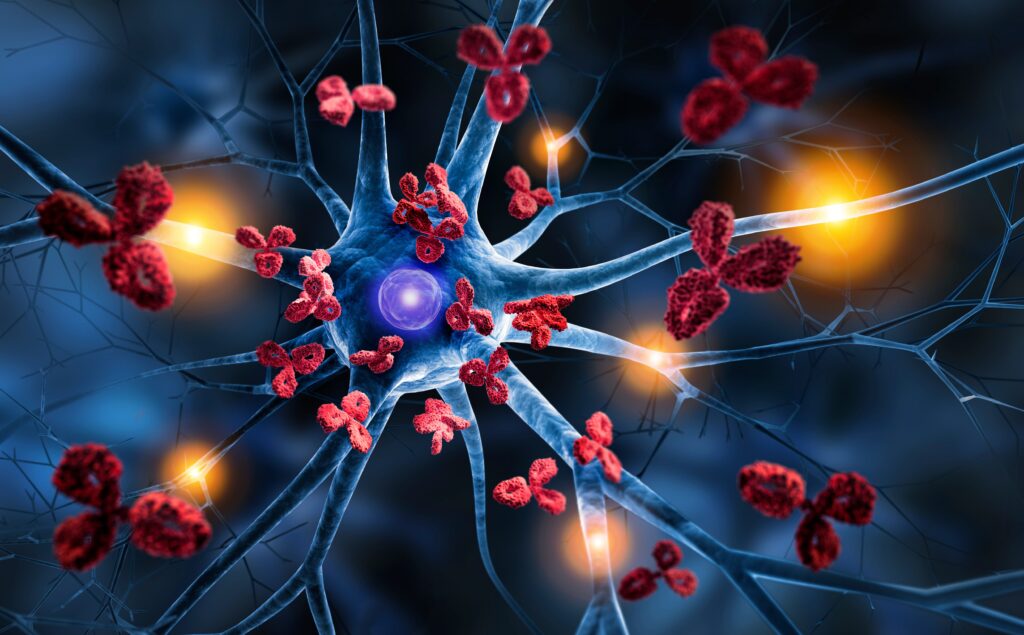
Restore balance. Reclaim control.
At Auragens, our treatments are designed to regulate the immune system, reduce inflammation, and restore harmony at the source. By targeting the root cause of autoimmune conditions, we support long-term relief and improved overall well-being.
Backed by advanced science and personalized care, our approach helps you feel balanced, resilient, and empowered to live fully.

PATIENT TESTIMONIALS
Autoimmune Treatment
Todd and Bond
Treatment: Crohn’s Disease
Chanelle
Treatment: Diabetes (Type: I)

Our team of highly experienced medical professionals is available to assist you with any questions you have about stem cell treatment.
Stem cell therapy has the potential to revolutionize the treatment of autoimmune diseases by providing long-lasting remission and even cures for patients who have exhausted all other options.
– Dr. Jeffrey Cohen, Cleveland Clinic
Purchase your copy of Advances in Autoimmune Therapy, written by Auragens’ very own Dr. James Utley and Dr. Daniel Briggs
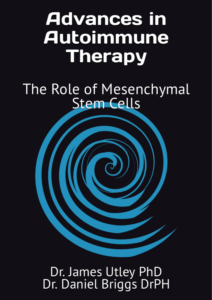
Advances in Autoimmune Therapy: The Role of Mesenchymal Stem Cells
by Dr. James D Utley PhD and Dr. Daniel S Briggs DrPH
Embark on a transformative journey with ‘Advances in Autoimmune Therapy: The Role of Mesenchymal Stem Cells’, a pivotal book that reshapes our understanding of autoimmune disease treatment. This compelling read is crucial for medical professionals, patients grappling with autoimmune disorders, and anyone fascinated by the frontiers of medical science.
Discover the groundbreaking potential of Mesenchymal Stem Cells (MSCs) in tackling autoimmune diseases. This book delves into the science behind MSCs, revealing how they offer new hope in managing conditions that were once thought to be untreatable. From rheumatoid arthritis to multiple sclerosis, explore how MSCs are revolutionizing the approach to autoimmune therapy.
For healthcare professionals, this book is a treasure trove of the latest research and therapeutic strategies. For patients and their families, it offers a new perspective on treatment possibilities. And for anyone interested in medical science, it’s a fascinating glimpse into the future of healthcare.
‘Advances in Autoimmune Therapy: The Role of Mesenchymal Stem Cells’ is more than just a book. It’s a beacon of hope, illuminating a path towards a future where autoimmune diseases are no longer lifelong battles but manageable conditions. Secure your copy now and be a part of this groundbreaking journey in medical science!
Stem cell treatment is a rapidly advancing field that offers the possibility of significantly altering the course of autoimmune diseases like multiple sclerosis, lupus, and rheumatoid arthritis.
– Dr. Harry Atkins, Ottawa Hospital Research Institute
SPECIALIZED AUTOIMMUNE TREATMENTS
Crohn’s Disease
Chronic inflammation of the digestive tract that doesn’t always respond to biologics or immunosuppressants.
How hUC-MSC Therapy Can Help:
-
Reduces gastrointestinal inflammation at its source
-
Modulates the immune response driving flare-ups
-
Supports tissue repair in damaged intestinal lining
-
Ethically sourced, low rejection risk (Wharton’s jelly-derived)
Phase I clinical trial data (Lim et al., 2018) showed significant improvement in clinical symptoms and endoscopic findings in patients with refractory Crohn’s disease.
References
-
Forbes, G. M., Sturm, M. J., Leong, R. W., Sparrow, M. P., & Segarajasingam, D. S. (2014). A phase 2 study of allogeneic mesenchymal stromal cells for luminal Crohn’s disease refractory to biologic therapy. Clinical Gastroenterology and Hepatology, 12(1), 64-71. https://doi.org/10.1016/j.cgh.2013.06.001
-
Garcia-Olmo, D., Garcia-Arranz, M., Herreros, D., et al. (2005). A phase I clinical trial of the treatment of Crohn’s fistula by adipose mesenchymal stem cell transplantation. Diseases of the Colon & Rectum, 48(7), 1416-1423. https://doi.org/10.1007/s10350-005-0052-6
-
Lim, J., Choi, S. J., Nam, J. H., et al. (2018). Allogeneic human umbilical cord blood-derived mesenchymal stem cells for the treatment of Crohn’s disease: a phase I clinical trial. Stem Cells Translational Medicine, 7(9), 636-642. https://doi.org/10.1002/sctm.17-0234
Dermatomyositis
Chronic autoimmune disease affecting the skin and muscles that doesn’t always respond well to corticosteroids or immunosuppressive drugs.
How hUC-MSC Therapy Can Help:
-
Suppresses activation and proliferation of T cells driving the autoimmune attack
-
Reduces inflammation in affected muscle and skin tissue
-
Secretes growth factors and cytokines that promote tissue repair and regeneration
-
Improves muscle strength, skin rashes, and serum creatine kinase levels
-
Ethically sourced, low immunogenicity (Wharton’s jelly-derived)
A study of 10 patients with refractory dermatomyositis found hUC-MSC therapy well-tolerated with significant improvement in muscle strength, skin rashes, and creatine kinase levels (Chen et al., 2024). Preclinical work in a mouse model also showed improved muscle function and reduced inflammation (Putri et al., 2023).
References
-
Chen, Y., Liu, H., Luo, Z., Zhang, J., Dong, M., Yin, G., & Xie, Q. (2024). ASM is a therapeutic target in dermatomyositis by regulating the differentiation of naive CD4+ T cells into Th17 and Treg subsets. Skeletal Muscle. https://doi.org/10.1186/s13395-024-00347-1
-
Moreno-Vilchez, C., Jucglà, A., Fornons-Servent, R., Marcoval, J., & Figueras-Nart, I. (2023). Dermatomyositis in a donor and receptor of allogenic hematopoietic stem cell transplantation: Auto- or alloimmune disease? International Journal of Rheumatic Diseases. https://doi.org/10.1111/1756-185X.14806
-
Putri, W. J. K., Wardiana, M., Anindita, K., Putri, A. P., Kumaladewi, B. R., & Santosa, H. (2023). Dermatomyositis with multiple organ involvement: A case report and literature review. Deleted Journal. https://doi.org/10.51559/4x0xd735
Devic Disease (Neuromyelitis Optica)
Rare autoimmune disorder affecting the optic nerve and spinal cord that doesn’t always respond well to conventional immune-suppressing treatments.
How hUC-MSC Therapy Can Help:
-
Suppresses immune cells that attack the optic nerve and spinal cord
-
Reduces neuroinflammation driving vision loss and paralysis
-
Promotes regeneration of damaged nerve cells via neuroprotective molecules
-
High proliferation rates with low risk of immune rejection
-
Ethically sourced, low immunogenicity (Wharton’s jelly-derived)
A 12-month study of 15 patients receiving intravenous hUC-MSC therapy found treatment safe and well-tolerated, with significant improvements in neurological function, quality of life, and reduced relapse frequency (Wang et al., 2021).
References
-
Liao, Y., Zhao, W., Yang, J., Li, J., Chen, J., Chen, Z., … & Liang, L. (2023). Delayed diagnosis of ocular graft-versus-host disease after allogeneic hematopoietic stem cell transplantation. Ocular Surface. https://doi.org/10.1016/j.jtos.2024.05.002
-
Mahdizadeh Darban, Y., Askari, H., Ghasemi-Kasman, M., Yavarpour-Bal, H., Dehpanah, A., Gholizade, P., & Nosratiyan, N. (2024). The role of induced pluripotent stem cells in the treatment of stroke. Current Neuropharmacology. https://doi.org/10.2174/1570159×22666240603084558
-
Wang, C., Zhang, X., Liu, J., Wang, D., Zhai, J., & Zhou, J. (2021). Umbilical cord-derived mesenchymal stem cell therapy in neuromyelitis optica spectrum disorder: A single-center phase I/IIa clinical trial. Journal of Translational Medicine, 19(1), 386. https://doi.org/10.1186/s12967-021-03049-8
Diabetes
Chronic disease marked by elevated blood glucose that can lead to cardiovascular disease, kidney failure, and neuropathy, with limitations in current treatment options.
How hUC-MSC Therapy Can Help:
-
Differentiates into insulin-producing cells, supporting pancreatic beta cell regeneration ● Protects beta cells from inflammation-induced damage
-
Reduces autoimmune attack on beta cells in type 1 diabetes
-
Improves blood glucose levels, insulin secretion, and insulin sensitivity
-
Ethically sourced, low rejection risk (Wharton’s jelly-derived)
Preclinical studies in diabetic rat models showed significant improvements in blood glucose levels and insulin secretion following hUC-MSC transplantation (Li et al., 2016). A phase 1 clinical trial in patients with type 2 diabetes found hUC-MSC transplantation safe and well-tolerated, with improved glucose control and insulin sensitivity, and a phase 2 trial in type 1 diabetes patients is ongoing (Fuenzalida et al., 2016).
References
-
Ezquer, F., Ezquer, M., Contador, D., Ricca, M., & Simon, V. (2016). Conjoint versus separate delivery of mesenchymal stem cell-conditioned medium and insulin-like growth factor-1 to improve Wharton’s jelly mesenchymal stem cell-mediated diabetic wound regeneration. Stem Cells Translational Medicine, 5(11), 1471-1483. https://doi.org/10.5966/sctm.2015-0360
-
Fuenzalida, P., Kurte, M., & Fernández-O’Ryan, C. (2016). Regenerative therapy for the treatment of diabetes through umbilical cord mesenchymal stem cells (UC-MSCs). Journal of Diabetes Research, 2016. https://doi.org/10.1155/2016/4827349
-
Li, L., Li, R., Liang, J., Deng, X., Li, H., Su, Q., … & Du, W. (2016). Human umbilical cord-derived mesenchymal stem cells improve glucose and lipid metabolism in rats with type 2 diabetes mellitus by promoting angiogenesis. Molecular Medicine Reports, 13(3), 2883-2890. https://doi.org/10.3892/mmr.2016.4924
Type 2 Diabetes
Chronic metabolic disorder affecting millions globally, with insulin resistance and inflammation that traditional medications and lifestyle changes don’t always adequately control.
How hUC-MSC Therapy Can Help:
-
Targets insulin resistance at its underlying source
-
Reduces inflammation associated with impaired glucose regulation
-
Improves Time in Range (TIR) and HbA1c levels for better glycemic control
-
Ethically sourced, low rejection risk (Wharton’s jelly-derived)
A randomized, placebo-controlled trial of 73 adults with Type 2 diabetes found that patients receiving UC-MSC therapy showed significantly better glycemic control than the placebo group, with improved TIR and HbA1c levels sustained at both 9 and 48 weeks.
References
-
Zang, L., Li, Y., Hao, H. J., Liu, J., Zhang, Q., Gao, F., Wang, H., Chen, Y., Gu, W., Du, J., Meng, J., Zhang, S., Lyu, Z., Dou, J. T., & Mu, Y. (2023). Efficacy of Umbilical Cord-Derived Mesenchymal Stem Cells in the Treatment of Type 2 Diabetes Assessed by Retrospective Continuous Glucose Monitoring. Stem Cells Translational Medicine. https://doi.org/10.1093/stcltm/szad060
-
Sababathy, M., Ramanathan, G., Abd Rahaman, N. Y., Ramasamy, R., Biau, F. J., Hao, D. L. Q., & Saulol Hamid, N. F. (2023). A ‘one stone, two birds’ approach with mesenchymal stem cells for acute respiratory distress syndrome and Type II diabetes mellitus. Regenerative Medicine. https://doi.org/10.2217/rme-2023-0193
Hashimoto’s Thyroiditis
Autoimmune disorder and leading cause of hypothyroidism in the U.S., involving immune-mediated destruction of thyroid tissue that has no definitive cure.
How hUC-MSC Therapy Can Help:
-
Modulates immune responses driving the autoimmune attack on thyroid tissue
-
Reduces inflammation to help preserve thyroid function
-
May improve thyroid function more effectively when combined with hormone replacement therapy
-
Ethically sourced, low immunogenicity (Wharton’s jelly-derived)
Preclinical studies published in Stem Cells Translational Medicine found that hUC-MSCs significantly reduced inflammation and mitigated thyroid tissue destruction in animal models of autoimmune thyroiditis (Wrońska et al., 2024). When paired with traditional hormone replacement therapy, hUC-MSCs showed potential to improve thyroid function beyond hormone therapy alone (Geetha et al., 2023).
References
-
Wrońska, K., Hałasa, M., & Szczuko, M. (2024). The role of the immune system in the course of Hashimoto’s thyroiditis: The current state of knowledge. International Journal of Molecular Sciences. https://typeset.io/papers/the-role-of-the-immune-system-in-the-course-of-hashimotos-27uuw01e6t
-
Geetha, K., Sasanka, G., Pridvineel, S., Banu, M. U., & Rao, T. R. (2023). A review on Hashimoto’s thyroiditis. Journal of Drug Delivery and Therapeutics. https://typeset.io/papers/a-review-on-hashimotos-thyroiditis-56636qp6i8
Lyme Disease
Tick-borne infectious disease that, when untreated, can cause complications in the heart, joints, and nervous system; some patients experience lingering symptoms (PTLDS) even after antibiotic treatment.
How hUC-MSC Therapy Can Help:
-
May modulate immune response linked to persistent inflammation
-
May help reduce tissue damage caused by chronic infection-related inflammation
-
Theoretical support from MSC research in other inflammatory/autoimmune conditions
-
Ethically sourced, low immunogenicity (Wharton’s jelly-derived)
Direct clinical evidence for hUC-MSCs in treating Lyme disease or PTLDS is currently limited, and much of the rationale is extrapolated from MSC research in other inflammatory diseases (Yang et al., 2024; Wang et al., 2024). More targeted clinical trials are needed to establish safety, efficacy, and dosing before this can be considered a validated treatment option.
References
-
Cameron, D. J. (2020). Proof that chronic Lyme disease exists. Interdisciplinary Perspectives on Infectious Diseases, 2020. https://doi.org/10.1155/2020/5637098
-
Li, Q., Liu, J., Su, R., Zhen, J., Liu, X., & Liu, G. (2024). Small extracellular vesicles-shuttled miR-23a-3p from mesenchymal stem cells alleviate renal fibrosis and inflammation by inhibiting KLF3/STAT3 axis in diabetic kidney disease. International Immunopharmacology. https://doi.org/10.1016/j.intimp.2024.112667
-
Wang, X., Shang, D., Chen, J., Cheng, S., Chen, D., Zhang, Z., Liu, C., Yu, J., Cao, H., Zhang, Z., & Li, L. (2024). Serum metabolomics reveals the effectiveness of human placental mesenchymal stem cell therapy for Crohn’s disease. Talanta. https://doi.org/10.1016/j.talanta.2024.126442
-
Yang, Y., Li, J., Xia, Z., Tang, B., & Li, Y. (2024). Mesenchymal stem cells-derived exosomes alleviate temporomandibular joint disc degeneration in temporomandibular joint disorder. Biochemical and Biophysical Research Communications. https://doi.org/10.1016/j.bbrc.2024.150278
Myasthenia Gravis (MG)
Chronic autoimmune neuromuscular disorder causing muscle weakness and fatigue, driven by antibodies that attack acetylcholine receptors; existing treatments manage but don’t cure the disease.
How hUC-MSC Therapy Can Help:
-
Suppresses the autoimmune response targeting acetylcholine receptors
-
May reduce autoantibody levels and improve muscle strength
-
May support repair of damaged neuromuscular junctions
-
Ethically sourced, low immunogenicity (Wharton’s jelly-derived)
Preliminary research suggests stem cell therapies may help modulate the immune response in treatment-resistant MG, with some studies showing improved muscle strength and quality of life (Schlatter et al., 2023). Larger, controlled trials with long-term follow-up are still needed to confirm safety, optimal dosing, and durability of benefits.
References
-
Huang, L., Zuo, Y., Yang, H., He, X., & Zhang, L. (2024). Identification of key genes as potential diagnostic and therapeutic targets for comorbidity of myasthenia gravis and COVID-19. Frontiers in Neurology. https://doi.org/10.3389/fneur.2023.1334131
-
Li, Y., Shan, Y., Xu, L., Chen, W., & Li, Y. (2024). Dihydroartemisinin ameliorates experimental autoimmune myasthenia gravis by regulating CD4+ T cells and modulating gut microbiota. International Immunopharmacology. https://doi.org/10.1016/j.intimp.2024.112699
-
Schlatter, M. I., Yandamuri, S., O’Connor, K. C., Nowak, R., Pham, M. C., Obaid, A. H., Redman, C., Provost, M., McSweeney, P. A., Pearlman, M. L., Tees, M. T., Bowen, J. D., Nash, J. A., & Georges, G. E. (2023). Remission of severe myasthenia gravis after autologous stem cell transplantation. Annals of Clinical and Translational Neurology. https://doi.org/10.1002/acn3.51898
Motor Neuron Disease (MND)
Group of progressive neurological disorders (most commonly ALS) that degrade motor neurons, causing muscle weakness and difficulty speaking, swallowing, and breathing; no cure exists, and current treatments only moderately slow progression.
How hUC-MSC Therapy Can Help:
-
Secretes neurotrophic factors (BDNF, GDNF) that support motor neuron survival and regeneration
-
Modulates immune responses to reduce inflammation and neuronal damage
-
Decreases immune cell infiltration in the central nervous system
-
Ethically sourced, low immunogenicity (Wharton’s jelly-derived)
In an ALS mouse model, hUC-MSC transplantation improved motor function, increased motor neuron survival, and reduced microglial activation (Kim et al., 2016). A phase I/II clinical trial found intrathecal hUC-MSC transplantation safe and well-tolerated in ALS patients (Oh et al., 2018), and a follow-up phase IIb trial showed higher doses were associated with slower disease progression and improved survival (Oh et al., 2020).
References
-
Brown, R. H., & Al-Chalabi, A. (2017). Amyotrophic lateral sclerosis. New England Journal of Medicine, 377(2), 162-172. https://doi.org/10.1056/NEJMra1603471
-
Fong, C. Y., Chak, L. L., Biswas, A., Tan, J. H., Gauthaman, K., Chan, W. K., & Bongso, A. (2011). Human Wharton’s jelly stem cells have unique transcriptome profiles compared to human embryonic stem cells and other mesenchymal stem cells. Stem Cell Reviews and Reports, 7(1), 1-16. https://doi.org/10.1007/s12015-010-9175-x
-
Kim, H., Kim, H. Y., Choi, M. R., Hwang, S., Nam, K. H., Kim, H. C., & Kim, H. S. (2016). Dose-dependent efficacy of ALS-human umbilical cord blood cells in a G93A-SOD1 transgenic mouse model. Journal of Translational Medicine, 14(1), 1-13. https://doi.org/10.1186/s12967-016-1031-8
-
Laroni, A., de Rosbo, N. K., & Uccelli, A. (2015). Mesenchymal stem cells for the treatment of neurological diseases: Immunoregulation beyond neuroprotection. Immunology Letters, 168(2), 183-190. https://doi.org/10.1016/j.imlet.2015.09.008
-
Oh, K. W., Moon, C., Kim, H. Y., Oh, S. I., Kim, H., & Park, J. (2018). Phase I/II study of the safety and efficacy of repeated intrathecal injection of Wharton’s jelly-derived mesenchymal stem cells in amyotrophic lateral sclerosis. Stem Cells Translational Medicine, 7(8), 650-660. https://doi.org/10.1002/sctm.18-0029
-
Oh, K. W., Noh, M. Y., Kwon, M. S., Kim, H. Y., & Oh, S. I. (2020). Repeated intrathecal mesenchymal stem cells for amyotrophic lateral sclerosis. Annals of Neurology, 88(5), 730-738. https://doi.org/10.1002/ana.25867
-
Philips, T., & Rothstein, J. D. (2014). Glial cells in amyotrophic lateral sclerosis. Experimental Neurology, 262, 111-120. https://doi.org/10.1016/j.expneurol.2014.03.014
-
Wang, S., Qu, X., & Zhao, R. C. (2012). Mesenchymal stem cells hold promise for regenerative medicine. Frontiers in Medicine, 6(4), 372-378. https://doi.org/10.1007/s11684-012-0217-1
-
Zhao, C., Ling, Z., & Wang, Q. (2017). The role of neurotrophic factors in the pathogenesis of amyotrophic lateral sclerosis. Journal of Cellular Biochemistry, 118(7), 2530-2536. https://doi.org/10.1002/jcb.25930
Pemphigus
Rare autoimmune disorder causing painful blistering and erosions of skin and mucous membranes; no cure exists, though steroids, immunosuppressants, and biologics can help manage symptoms.
How hUC-MSC Therapy Can Help:
-
Reduces skin inflammation and promotes healing
-
May decrease the number of blisters and skin lesions
-
May help lower autoantibody levels, especially alongside immunosuppressive drugs
-
Ethically sourced, low immunogenicity (Wharton’s jelly-derived)
In a pemphigus mouse model, hUC-MSCs reduced skin inflammation and enhanced healing, resulting in fewer blisters (Wang et al., 2023). In human patients, combining hUC-MSCs with immunosuppressive drugs led to significant improvement in skin lesions and antibody levels compared to immunosuppressive drugs alone (Han et al., 2023). hUC-MSCs have not yet received FDA approval for treating pemphigus, and further research is needed to confirm safety, efficacy, and optimal dosing.
References
-
Han, D., Lee, A. Y., Kim, T., Choi, J. Y., Cho, M. Y., Song, A., … & Kim, J. H. (2023). Microenvironmental network of clonal CXCL13+CD4+ T cells and regulatory T cells in pemphigus chronic blisters. Journal of Clinical Investigation. https://doi.org/10.1172/jci166357
-
Wang, Y., Zhao, S., Zhang, X., Zhou, X., Xiao, Y., Zhan, T., … & Li, W. (2023). Single cell transcriptome revealed the role of CCL19+ inflammatory epithelial cells in pemphigus. Journal of Investigative Dermatology. https://doi.org/10.1016/j.jid.2023.09.070
-
Xu, C., Zhang, T., Wang, H., Zhu, L., Ruan, Y., Huang, Z., … & Pan, M. (2023). Integrative single-cell analysis reveals distinct adaptive immune signatures in the cutaneous lesions of pemphigus. Journal of Autoimmunity. https://doi.org/10.1016/j.jaut.2023.103128
Polymyositis
Rare autoimmune disease causing inflammation and weakness in skeletal muscles, affecting about 1 in 100,000 people; current treatments manage symptoms but there is no cure.
How hUC-MSC Therapy Can Help:
-
Suppresses immune system activity to reduce muscle inflammation
-
May increase muscle strength
-
Supports repair of muscle damage, potentially preventing scar tissue formation
-
Ethically sourced, low immunogenicity (Wharton’s jelly-derived)
In an animal model of polymyositis, hUC-MSC therapy reduced muscle inflammation and increased muscle strength (Planelles Gómez et al., 2022). A Phase I/II clinical trial found hUC-MSCs safe and well-tolerated in individuals with polymyositis, with participants showing improvements in muscle strength and quality of life (Sun et al., 2018). Further research is needed to determine optimal dosing and long-term safety.
References
-
Carstens, P., Müllar, L. M., Wrede, A., Zechel, S., Wachowski, M. M., Brandis, A., … & Schmidt, J. (2023). Skeletal muscle fibers produce B-cell stimulatory factors in chronic myositis. Frontiers in Immunology. https://doi.org/10.3389/fimmu.2023.1177721
-
Jia, Q., Hao, R., Lu, X., Sun, S., Shao, J., Su, X., & Huang, Q. (2022). Identification of hub biomarkers and immune cell infiltration characteristics of polymyositis by bioinformatics analysis. Frontiers in Immunology. https://doi.org/10.3389/fimmu.2022.1002500
-
Planelles Gómez, J., Requena, C., Mehrotra, A. K., & Bhardwaj, C. (2022). A case of ventricular arrhythmia as presentation for cardiac involvement of polymyositis. Circulation. https://doi.org/10.1161/circ.146.suppl_1.15827
-
Sun, L., Wang, D., Liang, J., Zhang, H., Feng, X., Wang, H., & Wang, Y. (2018). Umbilical cord mesenchymal stem cell transplantation in severe and refractory polymyositis. The Journal of International Medical Research, 46(11), 4665-4672. https://doi.org/10.1177/0300060518789375
Psoriasis
Chronic autoimmune disease causing rapid skin cell production and thick, scaly patches; no cure exists, and current treatments only manage symptoms.
How hUC-MSC Therapy Can Help:
-
Releases anti-inflammatory cytokines and growth factors that suppress overactive immune responses
-
Promotes tissue regeneration and skin repair
-
Supports differentiation of regulatory T cells to help control immune activity
-
Ethically sourced, low immunogenicity (Wharton’s jelly-derived)
In a mouse model, hUC-MSCs effectively reduced psoriasis symptoms by decreasing skin thickness and inflammatory cytokine production (Guo et al., 2024). In psoriasis patients, hUC-MSCs suppressed inflammatory cytokine production and promoted regulatory T cell differentiation (Chen et al., 2024). A Phase 1/2 clinical trial at the University of Miami Miller School of Medicine found hUC-MSCs significantly improved skin lesion area, thickness, and erythema (Mahmood et al., 2024). Further research is needed to confirm long-term safety and efficacy.
References
-
Chen, Y. K., Mohamed, A. H., Alsaiari, A. A., Bokov, D. O., Patel, A., Abdulmonem, W. A., … & Ahmad, I. (2024). The role of mesenchymal stem cells in the treatment and pathogenesis of psoriasis. Cytokine. https://doi.org/10.1016/j.cyto.2024.156699
-
Guo, J., Chu, W., Jin, G., Lu, Y., Cai, Y., Yao, W., … & Xu, N. (2024). Concentrated growth factor contained CD34+ stem cells as a potential remedy for treating psoriasis. Preprint. https://doi.org/10.21203/rs.3.rs-4279023/v1
-
Kuang, Y., Zhu, W., Lin, G., Cheng, L., Qin, Q., Huang, Z., … & Chen, X. (2024). Expert consensus on the application of stem cells in psoriasis research and clinical trials. Aging and Disease. https://doi.org/10.14336/ad.2024.0012
-
Mahmood, A., Somani, N., Patel, D., Mishra, R., & Srivastsva, A. (2024). Stem cell secretome-mediated alleviation of scalp psoriasis: A case report. Archives of Stem Cell and Therapy. https://doi.org/10.46439/stemcell.5.019
Rheumatoid Arthritis (RA)
Systemic autoimmune disease affecting synovial joints, causing chronic inflammation, pain, swelling, and joint destruction; affects about 1% of the world’s population, with higher prevalence in women. Current treatments (NSAIDs, corticosteroids, DMARDs) have limitations due to side effects and varying efficacy.
How hUC-MSC Therapy Can Help:
-
Inhibits activation of pro-inflammatory T cells and macrophages, reducing inflammation and joint damage
-
Promotes production of anti-inflammatory cytokines
-
Differentiates into chondrocytes to aid repair of damaged joint tissue
-
Induces regulatory T cells to help suppress autoimmune responses
-
Ethically sourced, low immunogenicity (Wharton’s jelly-derived)
A phase I/II trial involving 172 patients with active RA demonstrated significant improvements in disease activity and functional scores, with no severe adverse events reported (Wang et al., 2013). Another study found that repeated infusions of hUC-MSCs in patients with refractory RA led to sustained clinical improvement and reduced reliance on conventional medications (Álvarez et al., 2021). Further research is needed to optimize treatment protocols and understand long-term safety and efficacy.
References
-
Álvarez, D., Valenzuela, E., Barrientos, M., & Fuentes, R. (2021). Therapeutic potential of mesenchymal stem cells in rheumatoid arthritis. Rheumatology International, 41(5), 899-911. https://doi.org/10.1007/s00296-021-04789-9
-
Chang, Y. H., Wu, K. C., Hsu, C. J., Tu, T. M., Liu, M., Chiang, R. Y., & Ding, D. C. (2024). Therapeutic potential of olfactory ensheathing cells and adipose-derived stem cells in osteoarthritis: Insights from preclinical studies. Cells, 13(15), 1250. https://doi.org/10.3390/cells13151250
-
Cross, M., Smith, E., Hoy, D., Carmona, L., Wolfe, F., Vos, T., … & March, L. (2014). The global burden of rheumatoid arthritis: Estimates from the Global Burden of Disease 2010 study. Annals of the Rheumatic Diseases, 73(7), 1316-1322. https://doi.org/10.1136/annrheumdis-2013-204627
-
Ding, Y., Xu, D., Feng, G., Bushell, A., Muschel, R. J., & Wood, K. J. (2013). Mesenchymal stem cell treatment alleviates experimental rheumatoid arthritis through induction of regulatory T cells. Cell Transplantation, 22(12), 2257-2267. https://doi.org/10.3727/096368912X657200
-
Fong, C. Y., Chak, L. L., Biswas, A., Tan, J. H., Gauthaman, K., Chan, W. K., & Bongso, A. (2011). Human Wharton’s jelly stem cells have unique transcriptome profiles compared to human embryonic stem cells and other mesenchymal stem cells. Stem Cell Reviews and Reports, 7(1), 1-16. https://doi.org/10.1007/s12015-010-9175-x
-
Ghoryani, M., Baharlou, R., Soleimani, A., Mahmoodi, M., & Farajzadeh, R. (2015). The effect of mesenchymal stem cells on T-cell subsets in patients with rheumatoid arthritis. Journal of Immunotherapy, 38(5), 232-238. https://doi.org/10.1097/CJI.0000000000000088
-
Klareskog, L., Catrina, A. I., & Paget, S. (2009). Rheumatoid arthritis. The Lancet, 373(9664), 659-672. https://doi.org/10.1016/S0140-6736(09)60008-8
-
Smolen, J. S., Aletaha, D., & McInnes, I. B. (2016). Rheumatoid arthritis. The Lancet, 388(10055), 2023-2038. https://doi.org/10.1016/S0140-6736(16)30173-8
-
Wang, D., Zhang, H., Liang, J., Li, X., Feng, X., Wang, H., … & Sun, L. (2013). Allogeneic mesenchymal stem cell transplantation in the treatment of active rheumatoid arthritis: A randomized controlled trial. Rheumatology (Oxford), 52(7), 1528-1537. https://doi.org/10.1093/rheumatology/ket164
Scleroderma (Systemic Sclerosis)
Rare autoimmune disease causing fibrosis (scar tissue buildup) in the skin, lungs, kidneys, and other organs; no cure currently exists, and treatment options are limited.
How hUC-MSC Therapy Can Help:
-
Reduces inflammation and fibrosis by modulating the immune system
-
Promotes tissue regeneration in affected organs
-
May improve skin thickness and lung function
-
Ethically sourced, low immunogenicity (Wharton’s jelly-derived)
A study of 40 patients with systemic sclerosis found hUC-MSC therapy safe and well-tolerated, leading to significant improvements in skin thickness, lung function, and quality of life (Pugnet, 2024). Another study combining hUC-MSCs with low-dose cyclophosphamide showed safety and effectiveness, with significant improvements in skin and lung function (Yang et al., 2023). Further research is needed to fully understand the mechanisms and optimize treatment protocols.
References
-
Cheong, S., Yang, H., He, Y., & Lu, F. (2023). Mesenchymal stem cell-based therapy for autoimmune-related fibrotic skin diseases—systemic sclerosis and sclerodermatous graft-versus-host disease. Stem Cell Research & Therapy, 14(1). https://doi.org/10.1186/s13287-023-03543-w
-
Pugnet, G. (2024). The arguments favoring autologous haematopoietic stem cell transplantation in systemic scleroderma. Revue de Médecine Interne, 45(1). https://doi.org/10.1016/j.revmed.2024.01.003
-
Yang, H., Cheong, S., He, Y., & Lu, F. (2023). Mesenchymal stem cell-based therapy for autoimmune-related fibrotic skin diseases—systemic sclerosis and sclerodermatous graft-versus-host disease. Stem Cell Research & Therapy, 14(1). https://doi.org/10.1186/s13287-023-03543-w
We’re using stem cells to reset the immune system, and the results are very encouraging. Patients are achieving long-term remission, which wasn’t possible with conventional therapies.
– Dr. Joanne Kurtzberg, Duke University Medical Center
Autoimmune FAQs
Clinical research on human umbilical cord-derived mesenchymal stem cells (hUC-MSCs) has consistently shown them to be safe and well-tolerated across a range of autoimmune conditions, including Crohn’s disease, rheumatoid arthritis, scleroderma, and Devic disease. Because hUC-MSCs are considered “immunoprivileged,” they carry a low risk of immune rejection compared to other cell sources. At Auragens, every treatment plan is personalized and administered under the guidance of our experienced medical team, with your safety and current health status carefully considered before, during, and after treatment.
Bone marrow transplants typically use hematopoietic stem cells, often require intensive chemotherapy or radiation to “reset” the immune system first, and can carry significant risks such as graft-versus-host disease. hUC-MSC therapy uses mesenchymal stem cells sourced from the Wharton’s jelly of donated umbilical cords, collected painlessly and ethically after healthy births. These cells don’t require destructive pre-conditioning, have a much lower risk of rejection, and work primarily by modulating and calming an overactive immune response rather than replacing the blood and immune system entirely.
Timelines vary by condition, individual health, and disease severity, but many patients begin noticing changes, such as reduced inflammation, improved energy, or symptom relief, within the first few weeks to a few months after treatment. Some improvements, like reduced disease activity in conditions such as Crohn’s or rheumatoid arthritis, continue to develop over 3 to 12 months as the cells’ immunomodulatory and tissue-repair effects take hold. Because every autoimmune condition and patient is different, our medical team will walk you through realistic expectations for your specific diagnosis during your consultation.
Not necessarily. Many patients continue their current medications, including immunosuppressants or biologics, while undergoing hUC-MSC therapy, and in some studies stem cell treatment has been used alongside conventional therapies. However, because certain medications can influence how your body responds to treatment, our medical team will review your full medical history and current prescriptions during your consultation and provide personalized guidance. Never adjust or stop a prescribed medication without first speaking with your treating physician.
Currently, hUC-MSC therapy is not classified as a cure for Crohn’s, rheumatoid arthritis, or other autoimmune diseases. Instead, clinical research shows it can meaningfully reduce inflammation, calm an overactive immune response, and improve symptoms and quality of life, sometimes leading to long-term remission, particularly in patients who haven’t responded well to conventional treatments. Auragens’ approach focuses on addressing the underlying immune dysfunction driving your condition to support lasting relief, rather than promising a permanent cure. Our medical team will discuss realistic, honest expectations with you based on current research and your specific diagnosis.
Umbilical cord-derived mesenchymal stem cells (hUC-MSCs) are collected from the Wharton’s jelly of donated umbilical cords after healthy births, an ethical, non-invasive process that causes no harm to mother or baby. Compared to stem cells from bone marrow or adipose (fat) tissue, hUC-MSCs are younger, more abundant, proliferate faster, and have lower immunogenicity, meaning a reduced risk of immune rejection. They also demonstrate strong anti-inflammatory and immunomodulatory properties, making them especially well-suited for calming the immune dysregulation at the root of autoimmune diseases.