Our Science

Science First, always.

We produce our cellular product in-house, evaluate every batch against international guidelines and share what we learn openly, for our patients and for the medical community.

Our Approach

Transparency, by design.

Auragens puts science and medicine first. We create our cellular product in our own laboratory, choose the administration method for each patient, and share our methods and research openly, because clearing up misinformation helps patients and moves the whole field forward.
In-house laboratoryAuracells™ produced in a cGMP-grade ISO-7 cleanroom
International guidelinesEvery batch evaluated under ISCT criteria
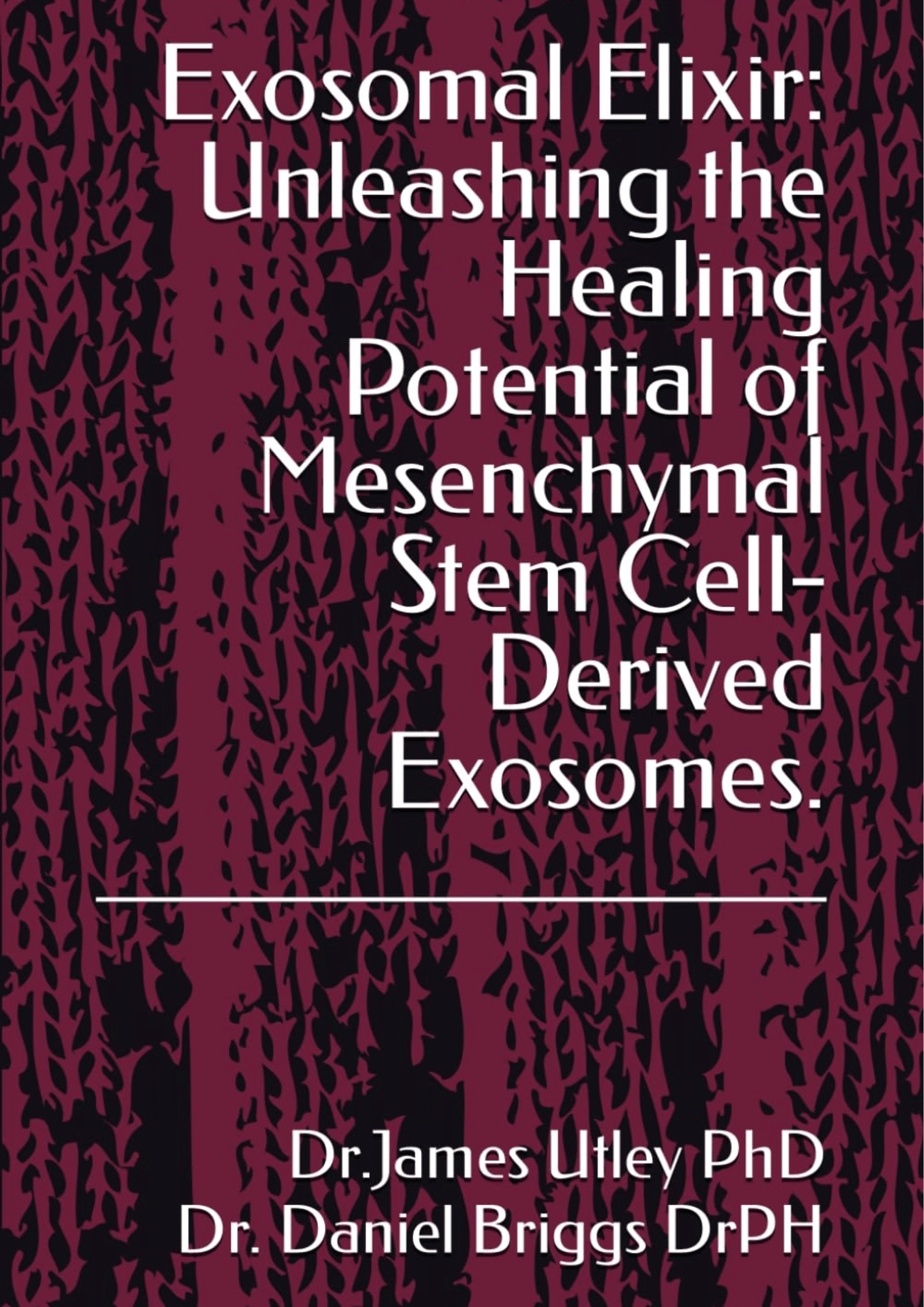
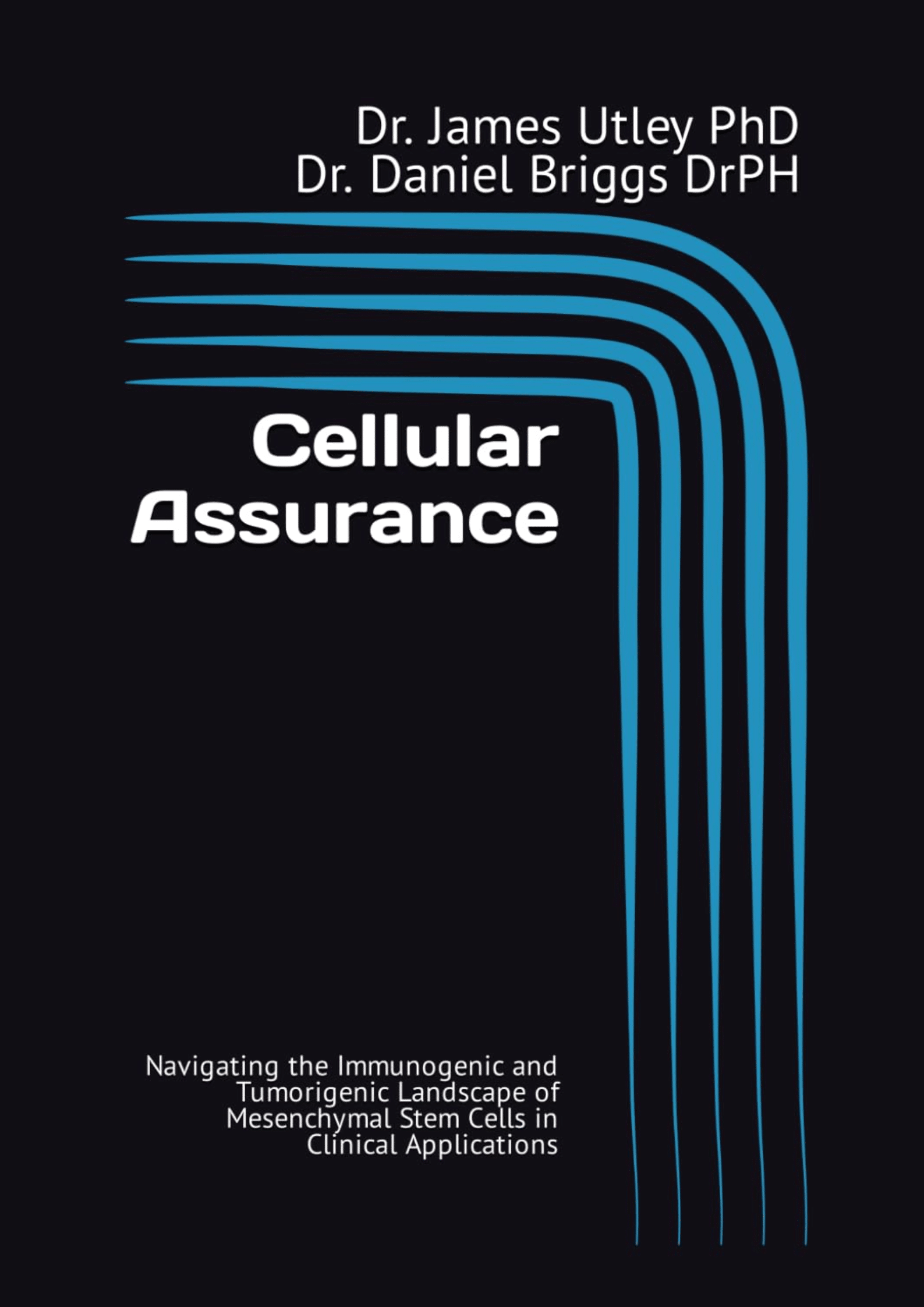
Published researchPeer-reviewed studies and four books by our scientists
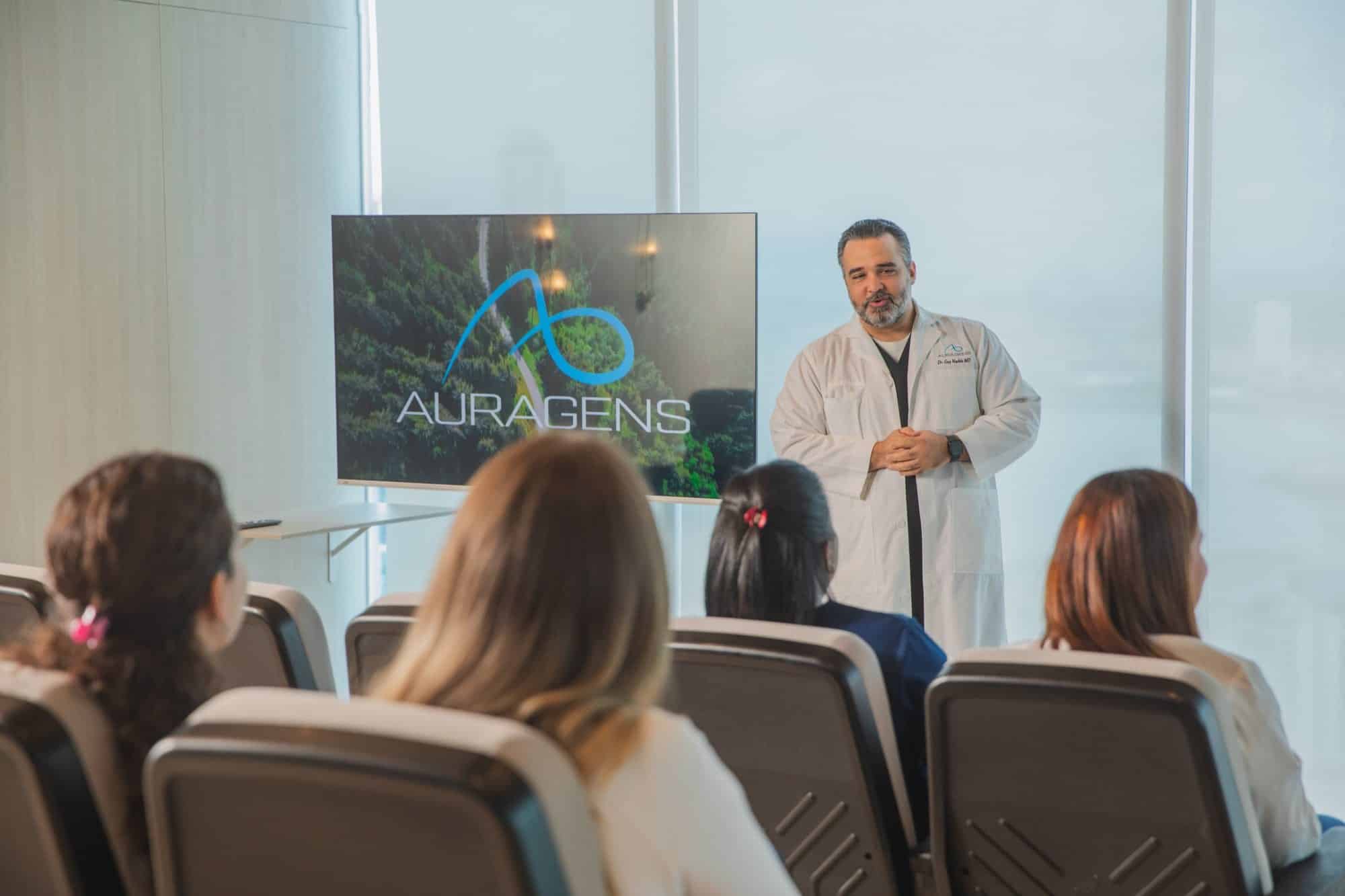
Dr. Guy Nachio presenting to the Auragens team

Licensed, Certified & Internationally Recognized

The standards and institutions behind our laboratory and our care.

AABB Accredited — Association for the Advancement of Blood & BiotherapiesInternational Society for Stem Cell ResearchMinisterio de Salud de PanamáGobierno de la República de PanamáInstituto Conmemorativo Gorgas de Estudios de la SaludISO CertificationJohns Hopkins University

Meet Our Chief Scientific Officer

The Cells We Use,and why.

Dr. James Utley, PhD, Chief Scientific Officer at Auragens, introduces Auracells™: the cells we use, how our laboratory evaluates them and why that matters for every patient we treat.

Optimizing Stem Cell Therapies

Our Process,purity, potency, precision.

A proprietary process guides every batch of Auracells™ from expansion to release.
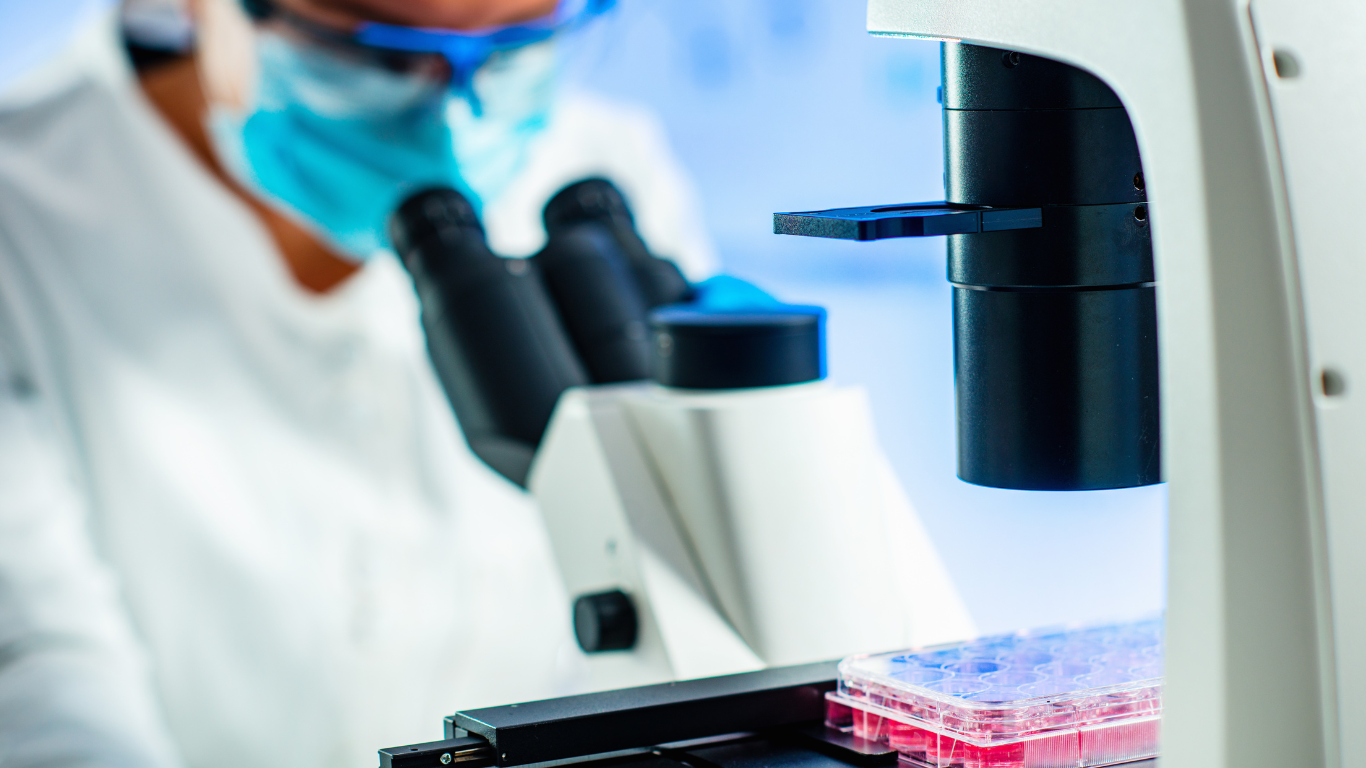
01ImmunophenotypingDuring cell expansion, our scientific team uses a proprietary immunophenotyping process, including flow cytometry, to confirm the identity and purity of each batch and its suitability for therapeutic use.
02AssessmentBefore cells are released, we evaluate cell morphology, surface-marker profile, viability and potency, and expansion potential.
03OptimizationWe continually refine culture conditions and methods to support cell viability and function, so each product meets our release criteria and can be tailored to the patient’s protocol.
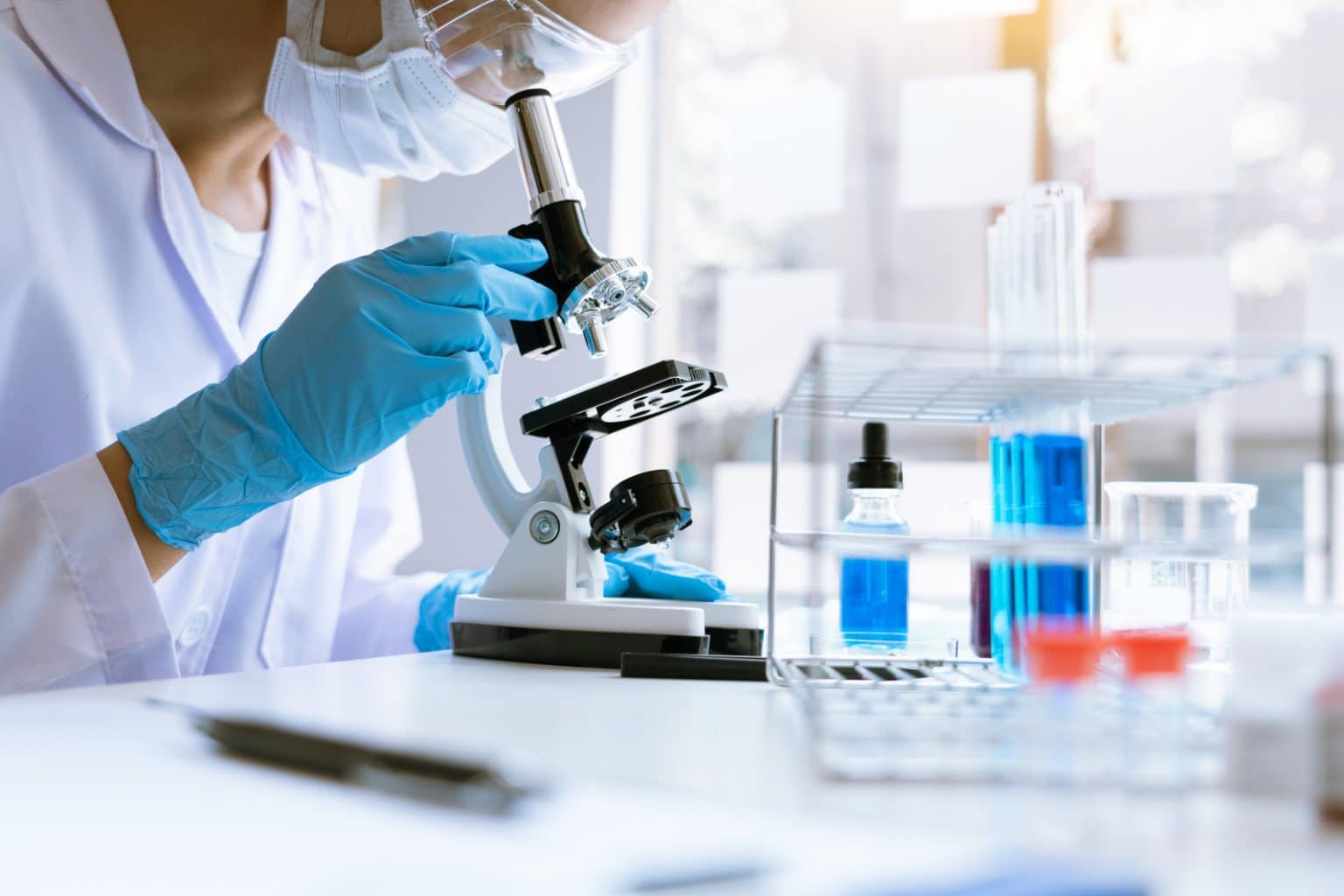
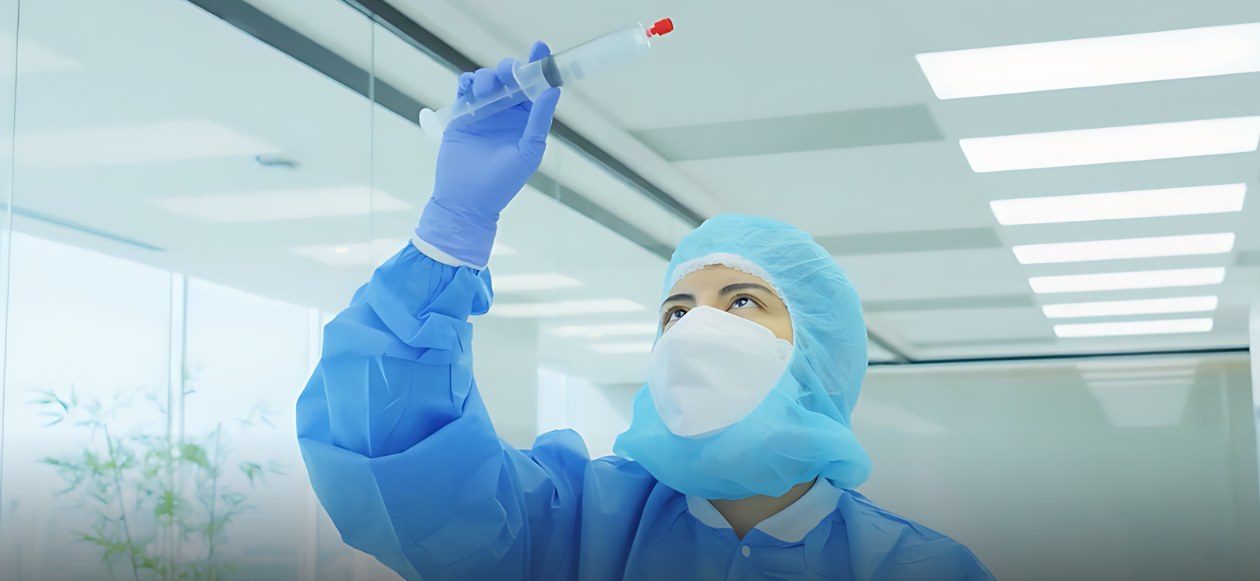
An Auragens scientist inspecting a sample in the laboratory

Advancing Regenerative Medicine

What We Look For,in every cell.

Our process explains how we work. The four cards below break down what we look for in every cell we use: its quality, its volume, its type and its safety.
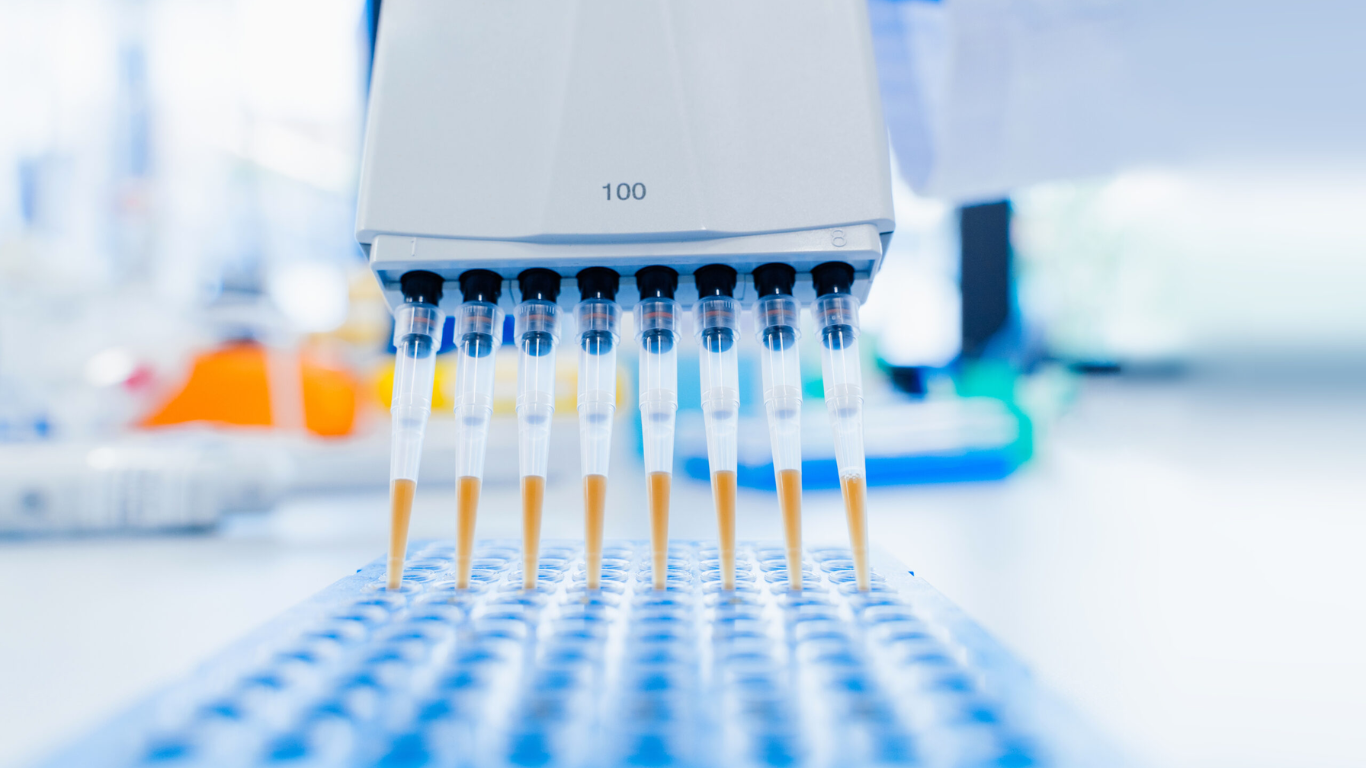
Cell Quality Every cell we use is evaluated against international guidelines before it reaches treatment.
  • Umbilical cord–derived cells (hUC-MSCs)
  • Follows ISCT guidelines
  • Checked for purity, viability, multipotency, immune-modulating ability and capacity to expand
Read more +

Umbilical mesenchymal stem cells (hUC-MSCs) can be isolated from umbilical cord tissue, and their quality can be assessed against a range of criteria. At Auragens we follow ISCT guidelines and use only hUC-MSCs that we have thoroughly evaluated for purity, viability, multipotency, immunomodulatory capacity and capacity to expand.

Cell Volume Your dose is set around you, not a standard amount.
  • Dose and protocol vary with age, medical condition and treatment goals
  • Cells expanded in culture while keeping their stem cell properties
  • Expansion method supports dosing specific to each patient and condition
Read more +

Determining dose and protocol for hUC-MSCs requires specialized knowledge, and the right approach depends on the patient’s age, medical condition and goals. Cellular expansion potential matters because cells should expand in culture while maintaining their stem cell properties; our expansion methods support dosing specific to the individual patient and condition.

Cell Type Wharton’s Jelly hUC-MSCs, chosen for their biology.
  • Among the most primitive MSCs, with high proliferative capacity
  • Low immunogenicity, suited to allogeneic use without matching
  • Rich secretory profile of trophic factors and exosomes
Read more +

Wharton’s Jelly is the connective tissue surrounding the blood vessels of the umbilical cord. It is collected from donated cords after healthy, full-term births, a process that is non-invasive for mother and newborn and raises none of the ethical concerns associated with embryonic tissue.

Cell Safety Every step from donation to treatment follows rigorous quality and safety protocols.
  • Comprehensive donor health and infectious-disease screening
  • Identity, purity, viability and sterility verified before release
  • Produced under AABB accreditation in an FDA-registered laboratory, with full traceability
Read more +

Cells are processed at the Auragens Laboratory in a cGMP-grade ISO-7 cleanroom under ISCT guidelines, cryopreserved under controlled conditions and prepared per validated protocols at the point of care. Long-term safety data from large controlled trials are still emerging, and our medical team discusses the current evidence with every patient.

For the Medical Community

Our Standards,at a glance.

AABBAccredited facility, with quality systems independently audited from lab to patient
ISCTMinimal criteria for MSC identity: CD73⁺, CD90⁺, CD105⁺; negative for CD34, CD45, CD11b, CD19 and HLA-DR
ISO-7cGMP-grade cleanroom for cell processing at the Auragens Laboratory
20+Peer-reviewed papers and books by Auragens physicians and scientists

Research & Publications

Shared Openly,for the whole field.

Our physicians and scientists publish their work so patients and clinicians can review it for themselves.
New Publication · Cureus, October 2026Nonoperative Management of an Acute Complete Achilles Tendon Rupture With Mesenchymal Stem Cells and Extracellular Vesicles: A Case ReportOrtiz A, Diaz C. Cureus 18(10): e118122. DOI 10.7759/cureus.118122. A case report by the Auragens Orthobiologics and Advanced Cellular Therapies teams describing nonoperative care of a complete rupture with a 3.7 cm gap, using intravenous hUC-MSCs and ultrasound-guided intralesional hUC-MSC-derived extracellular vesicles alongside functional rehabilitation. A single, hypothesis-generating case.
Read on Cureus
View All Publications

Science FAQs

Your Questions, answered with care.

What cells does Auragens use?

Auracells™, our umbilical cord–derived mesenchymal stem cells (hUC-MSCs) from Wharton’s Jelly, collected from donated umbilical cords after healthy, full-term births.

How are donors screened?

Every donor undergoes comprehensive health and infectious-disease testing against stringent criteria before any tissue is processed.

How do you confirm cell identity and purity?

Each batch is characterized by flow cytometry immunophenotyping against ISCT minimal criteria for MSCs, positive for markers such as CD73, CD90 and CD105 and negative for hematopoietic markers such as CD34, CD45, CD11b, CD19 and HLA-DR, alongside viability and sterility testing.

Where are the cells produced?

In our own Auragens Laboratory, in a cGMP-grade ISO-7 cleanroom, under ISCT guidelines and AABB accreditation, in an FDA-registered laboratory.

How is the dose determined?

Individually. Dose and protocol depend on the patient’s age, medical condition and treatment goals, and are set by our medical team.

Is stem cell therapy approved by the FDA?

Mesenchymal stem cell therapy is investigational for most of the conditions we evaluate and is not approved by the U.S. Food and Drug Administration as a standard treatment for them. Our medical team presents the current evidence, including its limitations, to every patient.

Can physicians or researchers contact your scientific team?

Yes. Clinicians and researchers are welcome to contact us to discuss our methods, data or a patient referral.

How to Get Started

Ready to See If Auragens is right for you?

Start with a candidacy review — no commitment required to find out where you stand.

Contact Us